 Bilal Hassan·6d ago

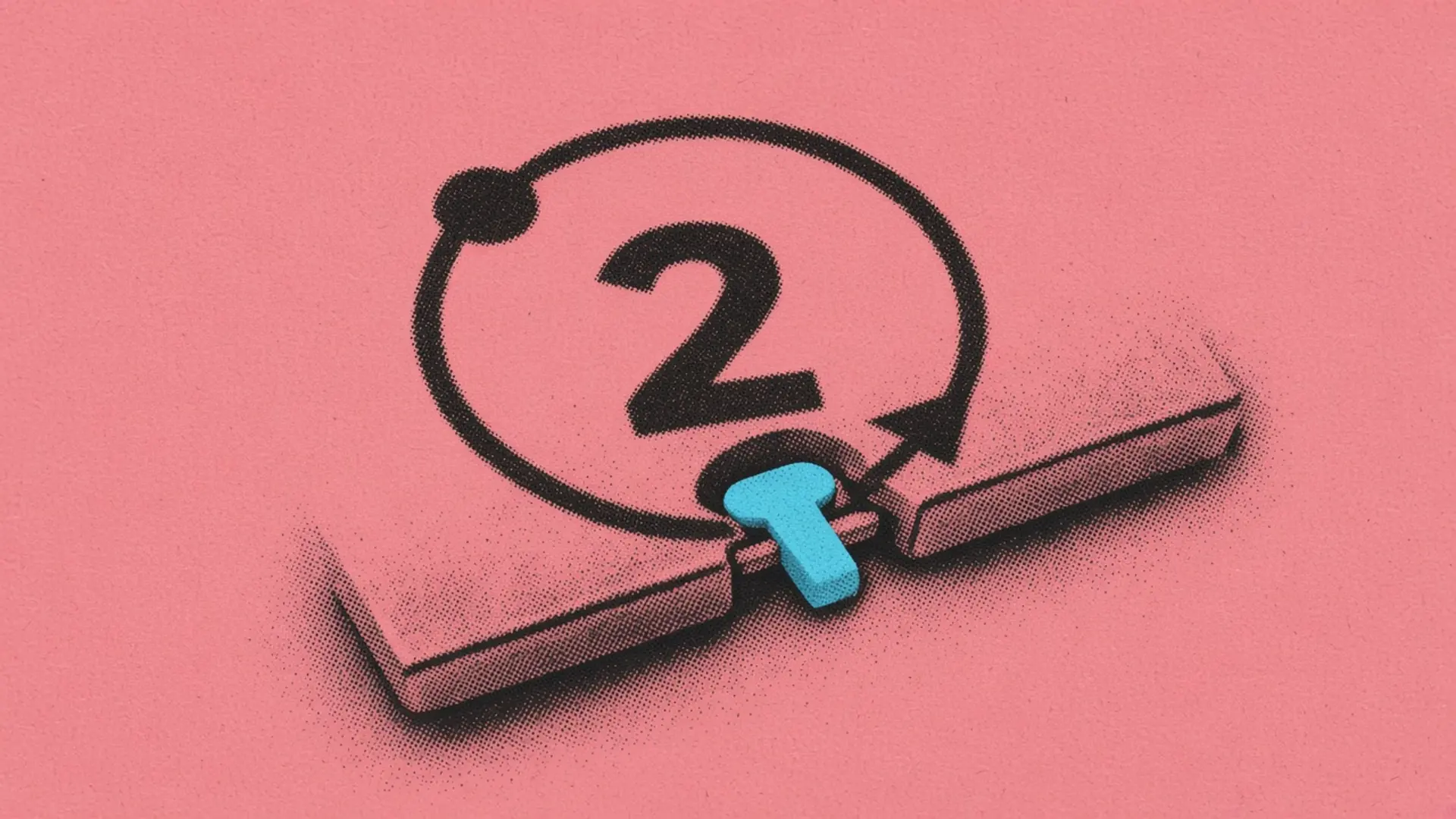
Spain’s Bit2Me turned years of police help into a unit that traces, holds, and liquidates seized crypto.
Bit2Me Group said on September 8, 2026 that it formed Bit2Me Bit2Shield. The firm is registered as CryptoShield S.L. It will help public bodies and banks with crypto seizures, on-chain tracing, and court-ready forensic work. Seized digital assets now show up in warrants the way hard drives once did. Police still need a partner that can image a wallet, keep chain of custody, and turn a ledger path into something a judge can read.
That framing matters for dark web crypto crime cases and for ordinary fraud files alike.
Per Bit2Me’s September 8 announcement, Bit2Shield is its own legal entity within the Bit2Me Group. It is not a MiCA crypto-asset service provider. Its remit covers support on searches and seizures. It also covers institutional cold custody, source-of-funds work, training, and forensic reports that courts can ratify.
Former Guardia Civil Central Operational Unit investigator Adrián Maroño joins as Head of Investigations. Bit2Me’s Spanish newsroom page says the team already handled more than €1.5 million in seized crypto during 2025. That work was tied to Interpol, Europol, and Spanish police operations, according to Bit2Me’s Bit2Shield newsroom brief.
Once assets are seized, Bit2Shield is meant to hold them in isolated multi-signature cold wallets. Those wallets are owned through Bit2Me until authorities authorize disposal. Crypto-to-euro liquidation, when ordered, runs through Bitcoinforme S.L. That firm is Bit2Me’s CNMV-authorized MiCA crypto-asset service provider. Proceeds then go to official public accounts.
European investigators face more complex crypto crime than a single stolen wallet. Chainalysis’s Operation Lighthouse was an August 2026 sprint with law enforcement and private-sector partners. It reviewed 29,120 cryptocurrency addresses and digital identifiers. The targets spanned more than 100 child sexual abuse material platforms, forums, and distribution networks. The sprint produced 14,300 investigative leads. It also surfaced more than 7,700 suspect accounts across exchanges and payment platforms.
Violent theft is rising on a different rail. Chainalysis estimates that attackers took more than $30 million from crypto holders through wrench attacks in the first half of 2026. After an arrest, the operational question stays the same. Who can seize the keys, preserve the evidence, and liquidate only under court control?
That is also why crypto scam literacy for consumers and seizure literacy for institutions are diverging jobs. Readers need warnings about social engineering. Courts need a documented custody path from wallet image to fiat transfer.
Bit2Shield’s bet is specialization. Tracing, forensic reporting, and training sit in the new unit. Regulated conversion sits with Bitcoinforme. Bit2Me presents that split as a compliance bridge under Europe’s MiCA-era rules. It is not a retail product pitch.
Whether the model works will depend on process, not branding. Joint operations with police must hold up. Reports must survive cross-examination. Liquidations must match court orders. Exchanges already sit on the choke points where suspect accounts appear. Formal seizure and custody units turn that choke point into something courts can reuse.
For crypto readers, the story is simple. Seizure, custody, and liquidation are becoming productized infrastructure in European crypto enforcement. Bit2Me Bit2Shield is one early, named attempt to put those steps under one roof.
Related News
Explore more